

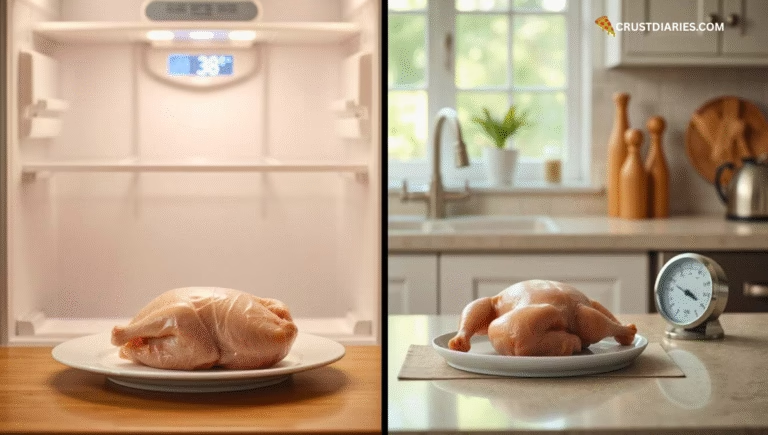

if you walk into any american kitchen on a busy weeknight, you’ll probably see the same scene: someone rushing to make dinner, realizing the chicken is still rock-solid, and placing it on the counter just for a little while to speed things up it feels harmless it feels normal, it’s something people have seen their parents and grandparents do for decades
But here’s the truth: this everyday habit is one of the most common food – safety mistakes in the country – and it’s one that can easily lead to foodborne illness without you ever realizing the chicken went bad
Chicken itself isn’t the problem. The method you thaw it with is what decides whether it stays safe or turns into a bacteria factory. And the two most common mrthods – fridge thawing and counter thawing couldn’t be more different
Let’s break down what’s actually happening, why so many americans still thaw chicken incorrectly, and how to do it the right way without slowing down your cooking routine
Why Thawing Chicken Matters More Than Most People Think
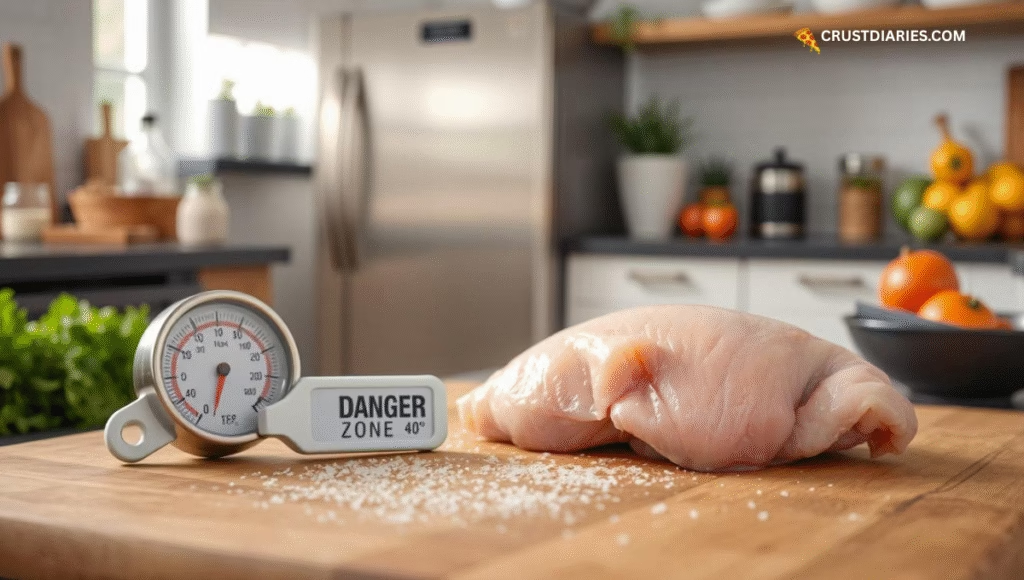
Frozen chicken is completely safe. The bacteria already present on raw chicken can’t grow when it’s frozen the danger starts during thawing, because that’s when the outer layers up and re-enter a temperature zone where bacteria multiply fast
Wondering how long defrosted chicken actually stays safe in the fridge? Check out our complete guide — How Long Does Defrosted Chicken Last in the Fridge – for USDA-approved time limits and storage tips.
That temperature zone is called the Danger zone – between 40°F and 140°F – the range where bacteria like salmonella and Campylobacter grow faster than people expect. A chicken breast sitting on the counter becomes a playground for bacteria long before it looks thawed
You can’t see the bacteria
You can’t smell it
You definitely can’t cook out everything it’s grown too much
That’s why thawing the right way isn’t just a small detail – it’s one of the most important steps in safe home cooking
Fridge Thawing: The Safe, Slow, and Steady Method
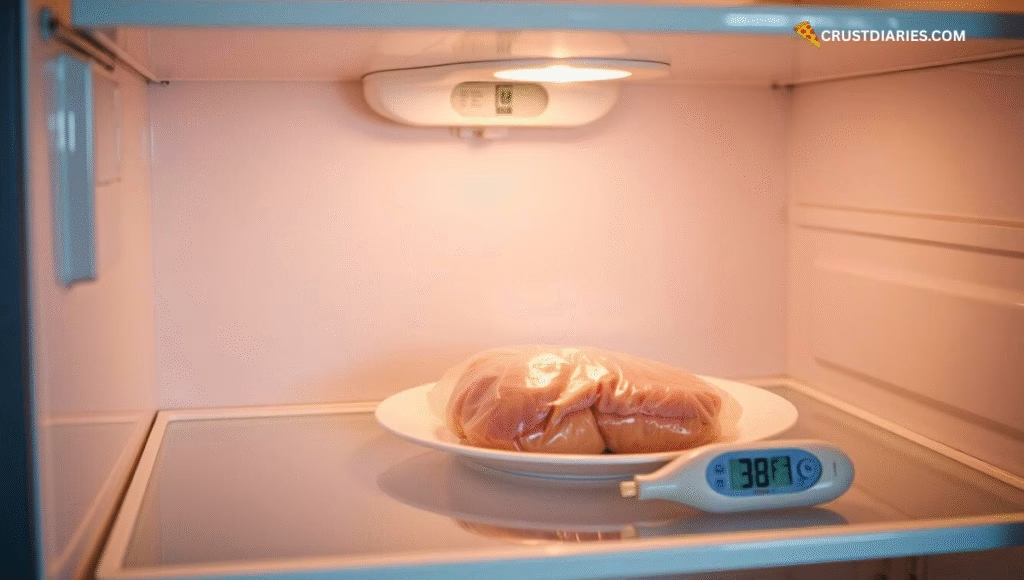
Most people skip fridge thawing because it seems slow. And yes – it is slower. But it’s also the safest method recommended by U.S food safety experts
Learn the safe and unsafe ways to defrost chicken and avoid common U.S. kitchen mistakes that can lead to foodborne illness
Here’s why it works: your fridge keeps food below 40°F, which means bacteria can grow while the chicken gently defrosts. it stays consistently cold, which keeps the entire piece – outisde and inside – at safe temperatures
How Long It Actually Takes
The timing depends on the cut:
- Chicken breats: 24 hours
- Chicken thighs/drumsticks: 18-24 hours
- Whole chicken: 1-2 days
Most americans underestimate these times, which is why they panic and toss chicken onto the counter, But once you understand the timeline, you can plan your meals in a smoother rhythm
How to Thaw in the Fridge the Right Way
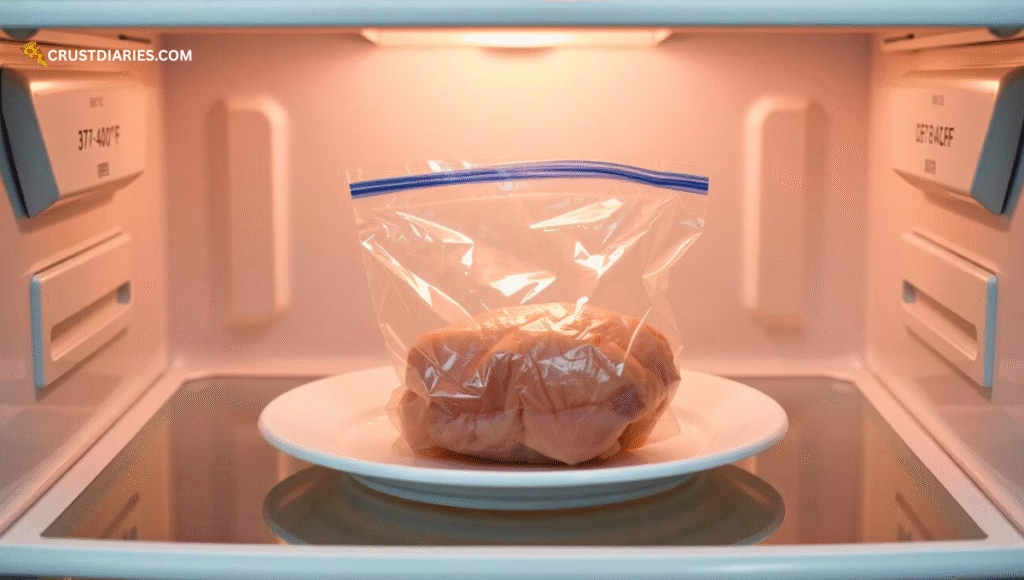
It takes only a few small habits:
- 1- keep the chicken in its orignal packaging or a sealed bag
- 2- place it on a plate or shallow tray to catch drips
- 3- Put it on the bottom fridge shelf to aviod contaminating other foods
- 4- Let it thaw overnight or for a full day depending on size
Once thawed, chicken stays safe in the fridge for 1-2 more days,so you don’t have to cook it immediately. That flexibility is a big advantage
Counter Thawing: The Method Americans Think Is Safe — But Isn’t
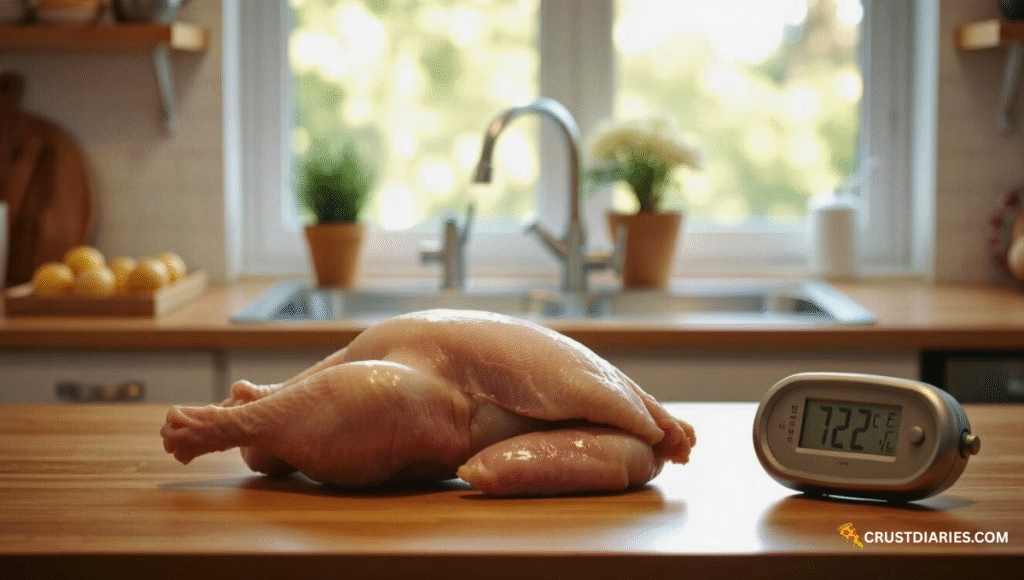
This is the most common shortcut in U.S kitchens. People believe if the chicken is only on the counter for a couple of hours, nothing dangerous happens the problem is: danger starts much faster than the eye can see
Typical room temperature in an american home 68-75°F. At that temperature, bacteira multiply extremely quickly. the moment the outer layer of chicken warms above 40°F, it enters the danger zone – while the inside remains frozen
So the chicken ends up with:
- Warm, bacteria-active outer layers
- Ice-cold,still-frzoen centers
This uneven thawing is risky and unpredictable. You might think you are saving time, but you are actually creating the perfect environment for bacterial growth
Why People Still Do It
There are a few common belifes that keep the habit alive:
- if the kitchen is cool, it’s fine
- I’ll cook it right away, so it doesn’t matter
- My family has always done this and never got sick
- It thawed for only an hour
- It looks fine
But bacteria don’t care about tradition or appearances – they follow temperature. And room temperature is exactly where they thrive
Even cooking the chicken thoroughly later won’t always fix the damage. some bacteria produce toxins that heat cannot remove
The Real Science Behind Why Counter Thawing Fails
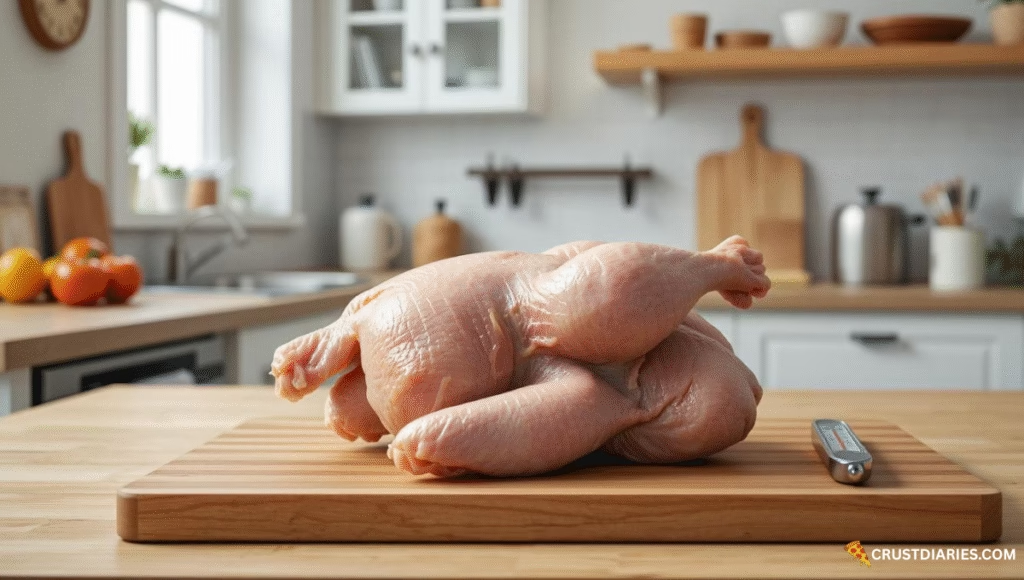
When chicken is left out on the counter the surface begins to thaw first—often within just 20 – 30 minutes. As soon as the outer layer becomes soft and warm bacteria start multiplying rapidly
Meanwhile the inside of the chicken can remain frozen for hours this creates a risky situation where the meat:
- Looks fully thawed on the outside
- Is still icy in the center
- Develops bacterial growth on the surface
This uneven temperature distribution is the real danger In the refrigerator chicken thaws slowly and evenly staying below 40°F [4°C] the entire time. On the counter however the outer layer can reach bacteria friendly temperatures long before the inside safely thaws significantly increasing the risk of foodborne illness
Common Myths About Counter Thawing — and the Real Answers
Myth 1: If the kitchen is cold, it’s safe.
Even at 60°F, chicken is warm enough for bacterial growth over time. The danger zone starts at 40°F – and almost no american kitchen is that cold
Myth 2: I’ll cook it right away, so it doesn’t matter.
Toxins created by bacteria are not always destroyed during cooking
Myth 3: It’s only been out for one hour.
One hour is not safe. as soon as the outer layer hits room temperature bacteria begin multiplying
Myth 4: It doesn’t smell bad, so I’m fine.
Spoilage bacteria cause smell. Dangerous bacteria don’t always smell at all
Myth 5: Restaurants thaw on the counter.
Commercial kitchens must follow strick cold-storage rules. Counter thawing is against food safety code
If You’re Short on Time: The Better Fast Thawing Method
If you are in a rush and fridge thawing won’t work, the safest fast method is cold-water thawing
It works like this:
- Keep chicken sealed in a zip bag
- submerge it in cold tap water
- Change the water every 30 minutes
- Cook immediately after thawing
This method keeps the chicken below unsfafe temperatures while speeding up the thaw dramatically:
- Breats: 1 hour
- Thighs/drumsticks: 1-2 hours
- Whole chicken: 2-3 hours
it’s still safe – because the water keeps temperatures low – but much faster than fridge thawing
How to Prevent Cross-Contamination While Thawing
Even when thawing safely, raw chicken juice can spread bacteria around your kitchen. A few habits make your kitchen much safer:
- Use a dedicted thaw plate or tray
- Keep raw chicken away from foods you don’t cook, like salads or fruits
- Clean counters, handles, and cutting boards after handling thawed chicken
- Wash hands imeediately after touching raw chicken or its packaging
These small steps prevent most home-based food poisoning cases
How Long Thawed Chicken Stays Safe in the Fridge
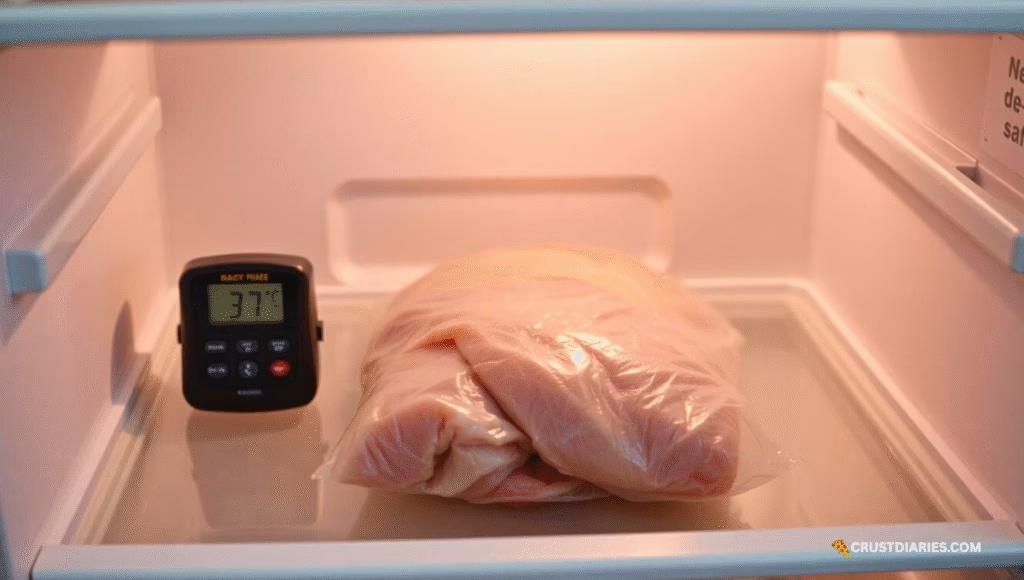
This is another point many americans get wrong
- After thawing in the fridge: safe for 1-2 more days
- After thawing in cold water: cook immediately
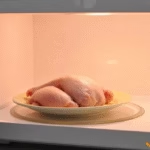
- After thawing in the microwave: cook immediately
Knowing this helps you aviod waste and plan meals more easily
FAQs: Fridge Thawing vs. Counter Thawing
1. Is it safe to thaw food on the kitchen counter?
- No. Thawing food on the counter is not safe. Bacteria can grow quickly at room temperature, increasing the risk of food poisoning
2. Why is fridge thawing safer than counter thawing?
- The refrigerator keeps food at a safe, cold temperature, which slows bacterial growth and helps food thaw evenly
3. How long does it take to thaw food in the fridge?
- Most foods thaw in 12–24 hours, depending on size. Large items like whole chicken may take longer.
4. What foods are most dangerous to thaw on the counter?
- Raw meats like chicken, beef, fish, and ground meat are especially risky when thawed on the counter.
5. Can bacteria grow while food is thawing on the counter?
- Yes. Bacteria can multiply rapidly when food stays between 40°F and 140°F, known as the danger zone
The Bottom Line: Counter Thawing Isn’t Worth the Risk
The debate between fridge thawing and counter thawing isn’t really a debate. Once is safe and reliable. The other creates a perfect environment for harmful bacteria – even if the chicken looks normal
Fridge thawing keeps chicken below 40°F, which means the bacteria don’t get a chance to grow, it’s slow but it always protects you and your family
Counter thawing pulls chicken into the danger zone, causing bacteria to multiply rapidly on the surface while the inside is still frozen. it’s convenient but it’s not safe
A little planning – or using a safe fast – thaw method – goes a long way toward safe cooking

Pingback: Safe & Unsafe Chicken Thawing:Avoid These Kitchen Errors?
Pingback: How Long Does Defrosted Chicken Last In The Fridge?[USDA Tips]
Pingback: Defrosting Chicken in the Microwave: Safe or Risky?