


Expert Tips for Safe Pizza Storage, Freezing, and Reheating Leftovers
People around the world are very reluctant to throw away leftover pizza. if it looks perfect fine and doesn’t smell bad, then are you surprised and thinking that thos food is safe?
Here is the clear answer to it:
if pizza is stored properly in the refrigerator you can eat it for 3 to 4 days:
This method follows the US food safety guidelines. But how long can you store pizza? It depends on how you store it in the frdige, and what toppings were put inside it. and how quickly was it put in the fridge
For this purpose to find the most accurate and perfect answer we consulted Dr. Donald Schaffner (Food Microbiologist at Rutgers University) and Chef Marisol Doyle (Neapolitan Pizzaiolo, trained in Naples, Italy).
In this guide, you’ll learn:
- ✅ Exactly how many days pizza stays safe in the refrigerator
- ✅ The best way to store and freeze pizza to extend freshness
- ✅ How to spot signs that your pizza has gone bad
- ✅ The safest and tastiest ways to reheat leftovers
- ✅Pizza Toppings & Spoilage Differences
🧊🍕How Long Does Pizza Last In The Fridge?

IF YOU:
- Refrigerate it within 2 hours of cooking
- Store it at 40°F (4°C) or below
- Keep it in an airtight container
Then your pizza is safe for up to 4 days.
After that, the risk of bacterial growth increases — even if the slice still looks fine. If you want to know How long pepperoni really lasts in the fridge and how to keep it tasty, here’s everything you need to know
📅 Day-By-Day Pizza Timeline
Think of your leftovers like a countdown clock:
Wondering if pizza can be healthy? Here’s the truth about enjoying your favorite slice without guilt
Day 1:
- Fresh, safe, and tastes almost like new.
Day 2–3:
- Still safe. Flavor and texture mostly intact.
Day 4:
- Safe – but this is the last recommended day.
Day 5+:
- Not recommended. Risk of spoilage rises significantly.
When in doubt, it’s better to throw it out.
Learn How to store pizza sauce safely in the fridge so it stays fresh and flavorful for your next homemade pizza night
Dr. Schaffner explains:
- Dr. Schaffner explains:
Bacteria need moisture to thrive, Sealing in steam gives them the perfect environment, even in the fridge.
Storage Tip:
- Allow pizza to cool for 20–30 minutes before wrapping. Sealing hot cheese slices traps condensation, creating moisture that speeds up spoilage.
✅ Key takeaway: Always store cooled pizza in a sealed container for up to 4 days.
🌡️ The 2-Hour Rule [Very Important]

Pizza should not be kept at room temperature for more than:
- 2 hours normally
- keep it for 1 hour if the temperature is 90 ° F (32 ° C)
Companies that make efforts to prevent diseases, this follows their food safety principles
Bacteria grow rapidly between these temperatures like 40°F and 140°F – also commonly referred to as the danger zone. some bacteria double in size in this danger zone in 20 minutes
It often happens that even after rehating, there are still some toxic substances inside which is why the bacteria are not completely eliminated
🧀 Do Different Toppings Change How Long Pizza Lasts?
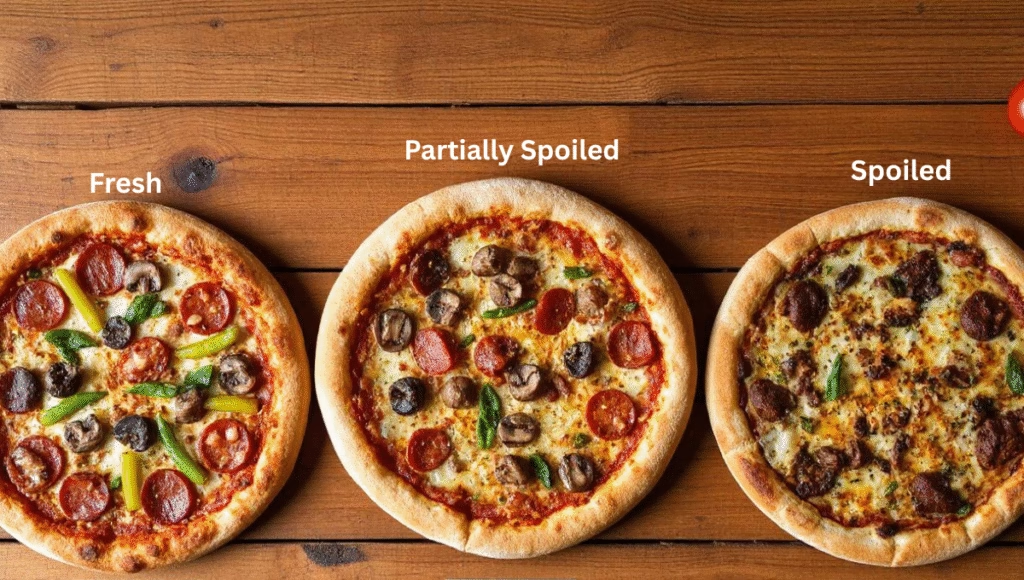
The more people realize the importance of topping, the more
- cheese pizza is usually the longest
- The toppings on meat, such as pepperoni sauce, chicken, and fat, spoil very quickly due to moisture
- Vegetable – heavy pizzas with mushroom and tomatoes quickly become soggy and spoiled because they release water
If a pizza slice feels soggy, sticky , or sour inside, you can throw it away
Discover the Fastest way to defrost pizza dough without compromising its texture or taste, ready for your next pizza adventure
Dr. Donald Schaffner, Food Microbiologist at Rutgers University:
- The danger zone of food safety is between 40°F and 140°F,” Says Dr. Donald Schaffner in the range, bacteria like Staphylococcus aureus can double in number every 20 minutes.so even if pizza looks fine, toxins may have developed that reheating won’t destroy.
👃👀How to Tell If Pizza Has Gone Bad:
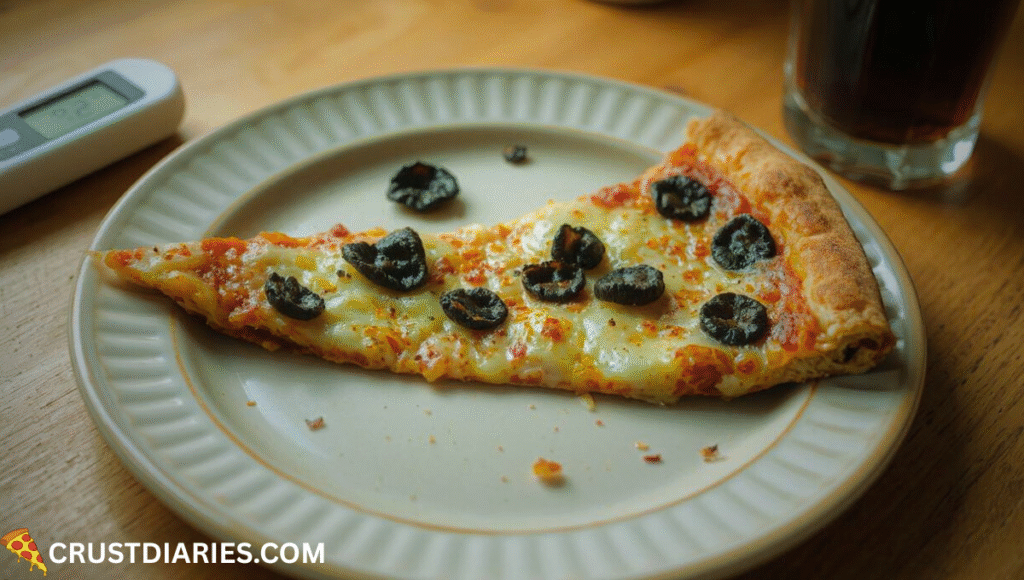
Trust your senses
Throw pizza away if you notice:
- Sour or unpleasant smell
- Visible mold (white, green, or gray spots)
- Slimy or sticky texture
- Cheese turning gray or separated
- It’s been in the fridge longer than 4 days
Scraping off mold is not safe. If one part is contaminated, the entire slice likely is too.
Learn the Safe and unsafe ways to defrost chicken so you avoid common kitchen mistakes and keep your meals healthy
Chef Marisol Doyle:
- A trained pizzaiolo in Naples, emphasizes the importance of using your senses.
If the cheese slice looks gray, toppings are wilted, or the crust feels tacky, its best not to risk it, I’ve seen people scrape off mold or reheat spoiled pizza — but at that point, it’s already unsafe.
Look for:
- Unpleasant or Sour Smell
- Mold or colour difference
- Slimy or Sticky Texture
- It has Been in the Fridge Too Long
Chef’s Tip:
- When in doubt, throw it out. Don’t let a $3 slice cost you $300 in doctor bills.
⚠️🤢Health Risks of Eating Spoiled Pizza:
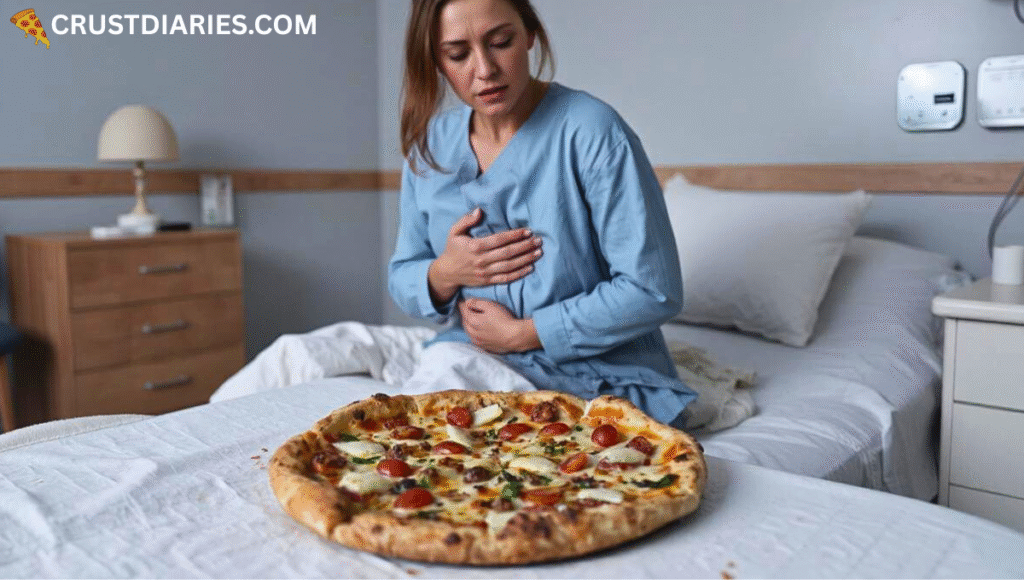
Eating expired pizza or spoiled food can lead to foodborne illnesses like:
- Stomach cramps
- Nausea and vomiting
- Diarrhea
- Fever
❄️📦Can You Freeze Pizza?How Long Does It Last?
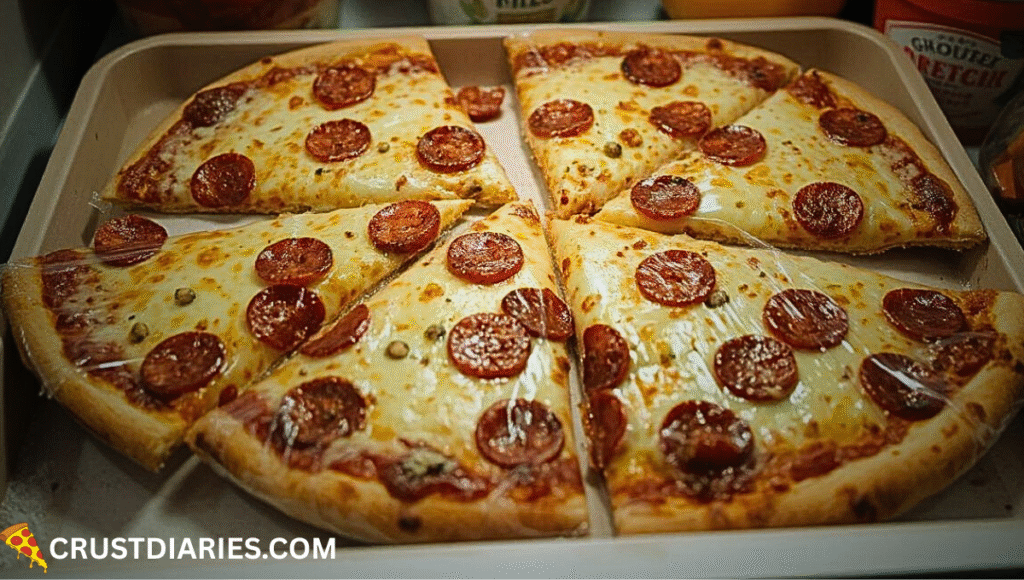
Yes- freezing pizza is a great way to extend its shelf life. Properly wrapped slices can last 1 to 2 months in the freezer without major loss of taste or texture. Want to know how long salmon can safely stay in the fridge? Here’s everything you need to keep it fresh, flavorful, and ready to enjoy
To freezer:
- Wrap slices tightly in plastic wrap.
- Then cover with aluminum foil or use a freezer-safe bag.
- Label with the date
If your pizza has fatty meats like pepperoni or sausage, freezing early helps avoid rancid flavors from fat oxidation,” says Schaffner
🥡🔒Best Tools to Keep Pizza Fresh:

1-Airtight Containers:
- Keep slices fresh and prevent fridge odors.
2-Fridge Thermometer:
- Helps maintain a safe temperature between 34–40°F (1–4°C).
3-Vacuum Sealer:
- Extends freezer life up to 2 months by preventing freezer burn.
4-Wide-Shelf Mini Fridge:
- Handy if you often store whole pizza boxes.
This article may contain affiliate links. If you purchase through these links, we may earn a small commission at no extra cost to you.
🥶 Is 5-Day-Old Pizza Safe?
If it has been refrigerated properly some people may still eat it on day 5 but officially food safety guidance recommends no more than 4 days
After that the risk increases even if it smells fine
If you are unsure don’t take chances
🥶🍕❤️Why People Love Eating Cold Pizza:
- No reheating needed-Grab and eat.
- Less greasy: Solidified fats feels cleaner on the plate.
- Chewy, satisfying texture
- Emotional Nostalgia: Reminds people of college, parties, lazy sunday mornings.
- Urban life style freindly: Quick no less meals on the go.
🔥🍕Best Way To Reheat Pizza In Oven Vs Microwave:

If cold pizza is not your thing here are 4 great ways to reheat it:
1. Oven – Best Overall
- 400°F on hot tray for 8–10 minutes.
2. Air Fryer – Fast and Crispy
- 350°F for 5–6 minutes.
3. Skillet – Chef’s Favorite
- Covered skillet over low heat with a teaspoon of water.
4. Microwave – Last Resort
- 30–60 seconds with a mug of water to prevent chewy crust.
Dough & Sauce Shelf Life:
Pizza Dough:
- Use within minimum 2 days and maximum 3 days after 5 days gluten breaks down.
Pizza Sauce:
- Lasts up to 7 days in the fridge in an airtight container; check for mold or sour smell before using.
Learn More About Food Safety:
- Want to go deeper? Take an online Food Safety Certification Course to learn how to store and handle leftovers like a pro
✍️📌✅Final Takeaway:
- Refrigerate leftovers within 2 hours.
- Eat within 3–4 days.
- Freeze for longer shelf life.
- Reheat carefully — or enjoy cold if stored safely.
“Pizza is casual, Doyle says, but food safety isn’t. Handle it smart, and your leftovers can be just as satisfying as the first bite.
🌍 What About Food Safety Outside the U.S.?
Different countries give similar advice with slight variations
In the UK the Food Standards Agency generally recommends eating refrigerated leftovers within 48 hours for best safety
In North America guidance from the U.S Department of Agriculture allows up to 3 to 4 days when stored correctly
The safest approach anywhere?
Eat sooner rather than later or freeze.
👨🍳👩🔬📖About The Experts:
Images are for illustrative purposes only and represent the roles of a food safety expert and a professional pizzaiolo.

Dr. Donald Schaffner – Food Microbiologist:
- Dr. Donald schaffner is a professor of food microbiology at rutgers University. He is an expert in food safety, predictive microbiology, and risk analysis. His research focuses on how microorganisms grow and survive in food and how to prevent contamination. Dr, Schaffner has published many scientific papers and work with agencies like the FDA and USDA to improve food safety practices
Chef Marisol Doyle – Professional Pizzaiolo:
- Certified Neapolitan pizza specialist, professionally trained in Naples, Itlay at the world-renowned Associazione Verace pizza Napoletana AVPN. skilled in traditional dough preparation, wood-fired baking, and authentic italian pizza-making techniques
🧾 E-E-A-T: Why You Can Trust This Guide:
- Experience: My article is based on real life food safety tips, Like kitchen storage tips and expert insight, Basically we consulted directly from a professional Neapolitan pizzaiolo [Chef Marisol Doyle] and a food microbiologist [DR. Donald Schaffner] Rutgers university for pizza storage and reheating safety tips
- Expertise: The Dr.Donald schaffner is a professor of food microbiology at Rutger university, He is a professional and decades of research in bacteria growth and food safety, On the other hand chef marisol doyle is a certified Neapolitan pizza specialist trained at the pizza Napoletana center in Naples
- Authoritativeness: All the food safety guidlines in this article are given by trusted institutions such as USDA, CDC, FDA. This ensures that the advice goes beyong personal opinion and is based on globally recognized food handling standards
- Trustworthiness: Information health and safety are presented as the top priority here, No exaggerated, Precise evidence based recommendation to help you safely enjoy leftover pizza without risking foodborne illness
❓🍕💬FAQs About Pizza:
1.Can pizza be eaten after 4 days in the fridge?
- Yes. Properly stored pizza is generally safe for 3–4 days at 40°F [4°C] or below. After that, risk increases
2. Does meat-topped pizza spoil faster?
- Yes. Meat toppings hold more moisture, which can allow bacteria to grow faster than on plain cheese pizza
3. Is cold pizza safe to eat?
- Yes, if refrigerated promptly and eaten within 3–4 days. Reheating is optional not required for safety.
4. How can you tell pizza has gone bad?
- Sour smell, visible mold, slimy texture, or storage beyond recommended time
5. Is it okay to store pizza in the box?
- Not ideal. Pizza boxes let in air and moisture. Airtight containers work best
🧾Author & Review Credits
Author: [MISS CHEESY]
Reviewed by: Dr. Donald Schaffner [PhD, Food Microbiology]
Expert Contributor: Chef Marisol Doyle [AVPN Certified Pizzaiolo]


Pingback: 🍕 Avoid Food Poisoning from Old Pizza A Simple Tricks - crustdiaries
Pingback: The Science Behind Leftover Pizza?🍕 - crustdiaries
Pingback: Pizza Storage Mistake 's That Can Make You Sick - crustdiaries
wonderful
Outstanding wonderful work.
very useful
this is very useful knowledge
Pingback: Best Pizza in the USA and Canada 2025 | Top 20 Pizza Places?
Pingback: Can You Get Rich with Mountain Mike’s Pizza? 2025 Income
Pingback: Pizza and Subs — Order Online for Fresh & Hot Delivery
Pingback: Pizza with a Twist: 6 Creative & Delicious Pizza Ideas You Must Try
Pingback: How to Store Pizza Sauce Safely in the Fridge [USDA & World Tips]
Pingback: How Long Does Pepperoni Last in the Fridge? [International Guide]
Pingback: How to Keep Pizza Crust Crispy After Refrigeration?[Pro-Tricks]
Pingback: How Long Does Pizza Dough Last in the Fridge? Cook Vs Un-Cook
Pingback: How Long Does Salmon Last in the Fridge? Raw Vs Cooked?
Pingback: How to Defrost Pizza Dough Fast:4 Expert Approved Methods
Pingback: Can You Freeze Cheese? Here’s How to Do It Like a Chef
Pingback: Can I Drink Coffee While Fasting? - Crustdiaries
Pingback: Is Pizza Healthy? Discover The Truth According To Doctors
Pingback: Pizza Storage 101: Is It Safe to Keep Pizza in the Box?
Pingback: Don Pepino Pizza Sauce for Homemade & Takeaway Pizza
Pingback: Veggie Pizza: A Complete Guide to Making It at Home and Its Health Benefits - Crustdiaries
Pingback: California Gourmet Pizza: Fresh & Creative Toppings Ideas
Pingback: How to Make Coffee Without a Coffee Maker- Easy DIY Ways
Pingback: The Best Way to Reheat Pizza in the Oven at Home
Pingback: What Are Night Oats & Their Benefits: Nutrition & Health
Pingback: Wood Fired Pizza in the USA: Restaurants, Ovens, Menus - Crustdiaries
Pingback: How to Properly Clean and Maintain Your Pizza Stone?
Pingback: Low Calorie Pizza Crust: Healthy & Guilt-Free Pizza Recipes
Pingback: What Is on Margherita Pizza? Classic Toppings Explained