

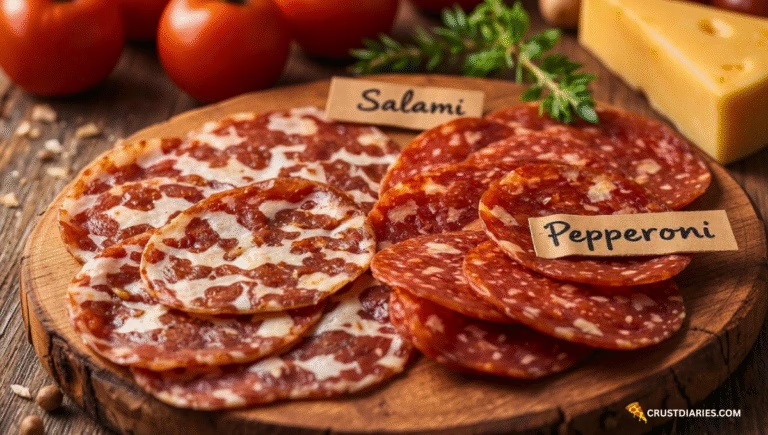

If you have ever stood in front of a deli counter endlessly through a pizza toping menu thinking, Salami or pepperoni? which one is best? you are definitely not alone both of these cured meats look somewhat similar, both taste amazing and both are common stars in Western cuisine but once you dig a little deeper, you realize that they come with completely different personalities histories and flavor profiles
This article breaks down salami and pepperoni in a simple conversational and genuinely useful way – from thier origins and ingredients to their textures tastes uses and even which one might be healthier by the end you’ll know exactly which one deserves a place in your sandwich charcuteria board or pizza
A Quick Walk Through History
Where Did Salami Come From?
Salami is ancient its roots go back hundreds of years, traveling through italy, Greece, and various European regions where curing meat was the safest way to make food last through long winters. The name salami itself comes fromthe italian word salare, meaning to salt and honestly that’s exactly how it started salt meat and time
Over the centuries different regions created their own versions:
- Genoa salami
- Soppressata
- Felino salami
- Hungarian salami
- and dozens more each with a signature twist of spices and techniques
Pepperoni: The American Cousin
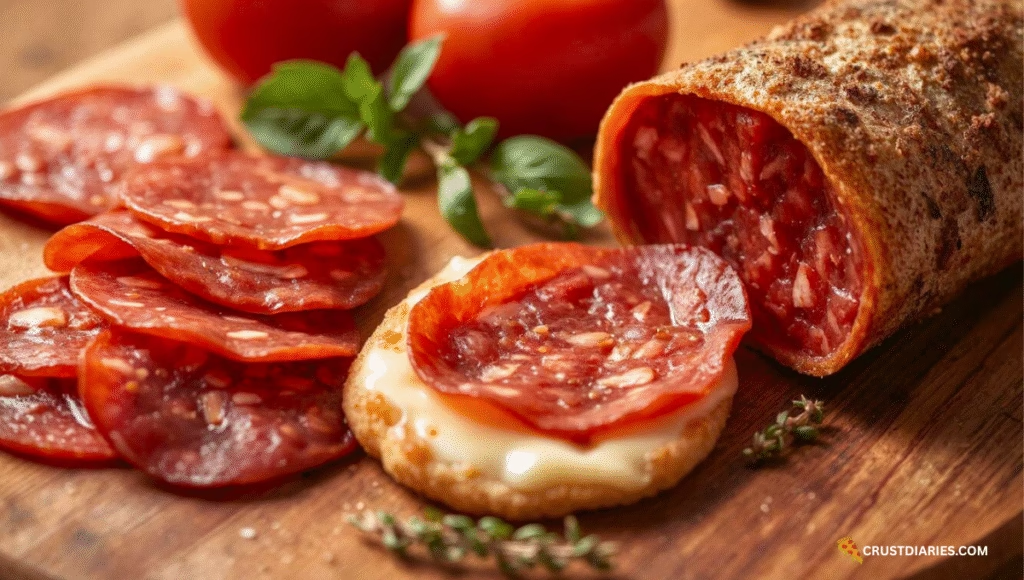
Pepperoni doesn’t trace its roots back to old Europe Instead it’s a proudly American creation developed in the early 20th century by Italian immigrants. Inspired by traditional spicy Italian salamis they reimagined the flavor to suit American tastes – bolder smokier and perfectly balanced for one thing: pizza
In many ways pepperoni is the pop star of the salami family. It’s brighter spicier and unapologetically made to shine. Designed to curl crisp and melt beautifully over hot cheese pepperoni quickly became the topping that defines modern pizza culture
🥩Ingredients: What’s Inside These Two Meats?
Salami Ingredients
Salami is usually made from a mixture of pork and beef, although some versions use only one type of meat common additions include:
- Salt
- Garlic
- White or red wine
- Black pepper
- Natural herbs
- Fermentation cultures
- Fat chunks yes they are visible in slices
Some salamis are mild and subtle, while others can be smoky, herby , tangy or even slightly sweet
Pepperoni Ingredients
Pepperoni has a more straightforward ingredient list but packs a punch:
- Pork , beef or a mic
- Paprika its signature red color
- Chili flakes
- Cayenne pepper
- Garlic powder
- Nirates
- A smoother, finelty ground meat texture
The Flavor Breakdown
How Salami Tastes
Salami is like whole playlist of flavors in one bite. Depending on the type, you might taste:
- Tanginess from fermentation
- Mild saltiness
- Subtle garlic
- Herbal notes
- Smokiness
- Rich, fatty depth
Every region and recipe produces a slightly different character, Some salamis feel elegant and balanced perfect for wine pairing while others are hearty and rustic
🔥What Pepperoni Tastes Like
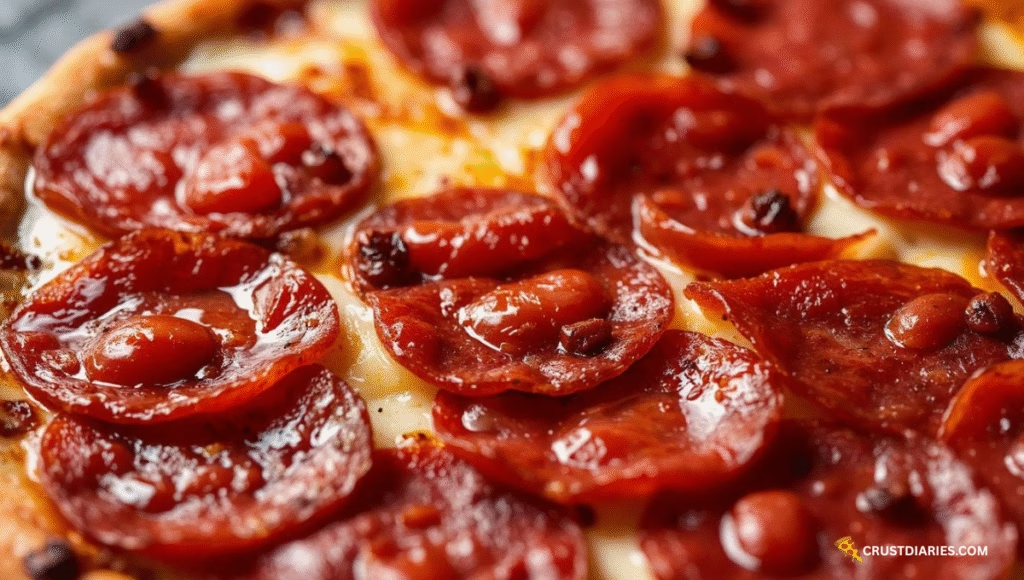
Pepperoni is bold and unapologetically spicy . that hit of paprika and chili delivers a warm , lingering heat that pairs especially well with melted cheese it has:
- A smoky, peppery bite
- A slightly oily melty texture
- A bright zesty profile
- A bit of tang
It was literally engineered to be unforgettable on a pizza slice – and that’s why it works so well
🧱Texture: Firm vs Melty
Salami Texture
Salami tends to be firm, slightly chewy and full of visible fat marbling. The bite is satisfying and rustic. It usually holds its shape, even when thinly sliced
Pepperoni Texture
Pepperoni is softer and smoother. When heated, it curls at the edges into that classic pizza cup shape and releases flavorful oil. It melts beatifully and blends with cheese instead of staying separate
🍽️How They’re Used in Cooking
This is where the difference becomes extremely clear
Salami Uses
Salami is incredibly versatile and often used in cold dishes or room – temperature servings:
- Charcuterie boards
- Sandwiches
- Pasta salads
- Appetizers
- Antipasto platters
- Gourmet pizza toppings certain types
It’s the go – to when you’re aiming for a fancy rich complex flavor
Pepperoni Uses
Pepperoni has one primary purpose: PIZZA
But that’s not all – it’s just the most famous use pepperoni is also great in:
- Calzones
- Stromboli
- Paninis
- Cheesy garlic breads
- stuffed bell peppers
- Pastas
- Breakfast omelettes
- Pizza rolls
But let’s be honest, nothing beats a pepperoni pizza slice dripping with cheese
Pepperoni has one primary purpose: PIZZA.
❤️🩹Health Comparison: Which One Is “Healthier”?
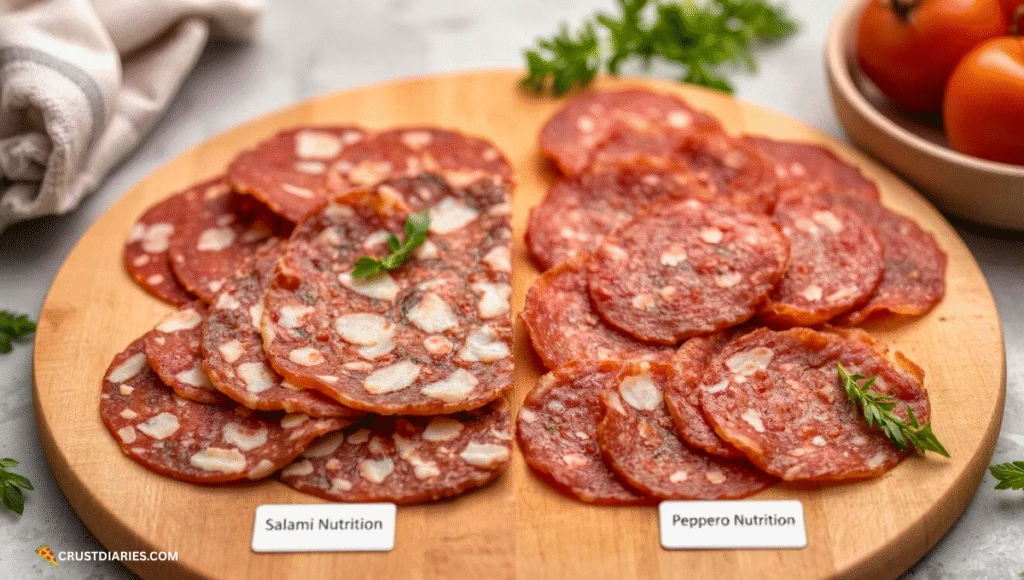
Neither of them is a diet food, but here’s how they compare:
Salami Nutrition
- Higher in fat
- Higher in calories
- Often lower in sodium than pepperoni
- More protein per slice
- No melting oils
Because salami is made traditionally through fermmentation, some versions may have probiotic benefits, but that varies widely
Pepperoni Nutrition
- Usually higher in sosium
- Contains more spices
- Has nitrates preservatives
- Releases more oil when heated
- Slightly lower fat per slice
- Typically more processed than salami
Overall salami is the more artisanal option while pepperoni is the more processed, but extremely tasty, option choosing between them ultimately depends on your diet and cravings
💰Price and Availability
Salami
Salami varies a lot in price high- quality artisanal salami can be expensive especially imported italian varieties. Grocery – store salami, however is affordable and easy to find
Pepperoni
Pepperoni is generally cheaper, more widely available, and consistent across brands. It’s also produced in massive quantities because of how popular pepperoni pizza is
🌍Cultural Influence: The Food Celebrities
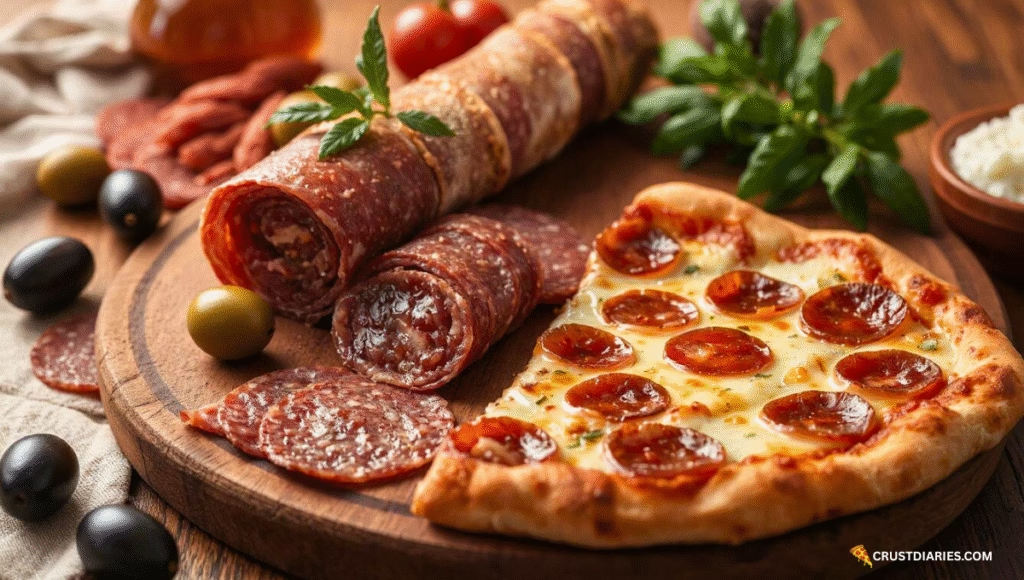
Salami’s Reputation
Salami is associated with European cuisine, especially italian and mediterranean food culture it’s seen as classy gourmet and traditional
Pepperoni’s Fame
Pepperoni in contrast is a symbol of american comfort food. Mention pizza and pepperoni instantly pops into mind for millions of people worldwide it’s simply, spicy, nostalgic and utterly beloved
✅Which One Should You Choose?
If you want a quick guide, here it is:
Choose Salami If:
- You prefer complex flavors
- You enjoy charcuterie or gourmet snacks
- You need something for sandwiches or antipasto
- You want variety there are dozens of types
Choose Pepperoni If:
- You are making pizza
- You loved bold, spicy flavors
- You enjoy that melty oily crispy edge texture
- You want something affordable and convenient
Honestly there’s no winner here – it all depends on what you are craving
🧑⚕️Expert Advice & Food Safety [E-A-T Section]
When you are choosing between salami and pepperoni, it helps to understand how these meats are made stored and enjoyed safely. Both are cured meats which they are preserved through salt, spices and specific processing methods – but they still need proper handling
🧊Food Safety Tips
1. Storage matters:
Always keep both salami and pepperoni refrigerated once opened
- Unopened salami: can last several weeks depending on the type
- Opened salami: best within 3-7 days for top quality
- Pepperoni slices: usually stay fresh 5-7 days after opening
2. Watch for spoilage signs
If you notice a sour smell sliminess excessive dryness or discoloration. it’s better to toss it. Cured meat should smell savory not funky
3. Serving temperatures
- Salami is safe to eat straight from the fridge
- Pepperoni is safe too but its flavor shines the most when heated – especially on pizza
Nutritional Insight
Both meats can fit into a balanced diet when eaten in moderation. if you are watching sodium or predervatives, salami usually has fewer additives, if you prefer something lighter in fat per slice pepperoni might suit you better
Expert Tip for Flavor Lovers
Pair salami with cheese wine olives and crusty bread for a gourmet punch
Use pepperoni when you need something bold, spicy and melty
🛡️Why You Can Trust This Guide
This breakdown is based on general nutrition data, traditional curing methods, and common industry practices. Every brand may vary slightly so checking the label is always recommended
❓FAQs: Salami vs Pepperoni
1. What is the main difference between salami and pepperoni?
- Salami is usually air – dried and mildly seasoned, while pepperoni is spicier, smokier, and softer in texture. Pepperoni is also more common on pizza
2. Which tastes spicier: salami or pepperoni?
- Pepperoni is generally spicier because it contains paprika and chili peppers. Salami has a more savory, balanced flavor
3. Are salami and pepperoni made from the same meat?
- Both are typically made from pork or a pork – beef mix, but the seasoning and curing process are different
4. Which is healthier: salami or pepperoni?
- Neither is truly healthy, but salami is often slightly lower in sodium and spice, while pepperoni tends to be higher in fat and salt
5. Why does pepperoni curl on pizza but salami doesn’t?
- Pepperoni curls because of its fat content and casing, which causes the edges to crisp and lift when heated
🏁Final Thoughts
Salami and pepperoni may look similar at a glance, but they are completely different experiences. salami is the old – world classic with layers of tradition and flavors shaped over centuries. Pepperoni is the spicy american superstar created specifically to shine on pizza
Both have their own charm, and both deserve a place in your fridge if you love experimenting with flavors Next time you are choosing between them, think about the dish, the texture you want, and the flavor mood you are after – because the right choice can transform your meal


Pingback: Pepperoni Snacks?Crunchy,Flavorful Bites for Every Craving
Pingback: The Rise of Pepperoni: Simple, Tasty, and a UK Favourite
Pingback: Leftover Pizza Safety:Prevent Food Poisoning[USA & Canada]