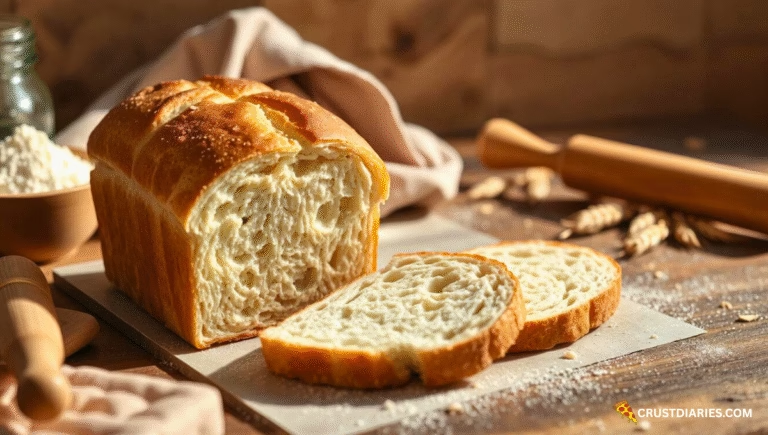

When most of us think of bread, we imagine that warm, fluffy loaf with a golden crust that smells like comfort itself. but behind that simple slice of bread lies a long story- one that involves ancient traditions living microorganism, and the evolution of human cooking itslef
And at the heart of that story is leavened bread- bread that rises, breathes, and transforms
In this article, we’ll explore what leavened bread really is, how it’s made where it came from, what makes it special, and why it’s making such a strong comeback in modern kitchens around the world
1. What Does “Leavened” Mean?
The word leavened simply means, made to rise, in baking this happens when a substance- called a leavening agent– produces gas bubbles in the dough. those tiny bubbles get trapped in the dough’s gluten network, causing it to puff up and become airy, soft, and light
So when we say leavened bread, we’re talking about any bread that has been made to rise using one of these leavening agents:
- Yeast [ the most common and traditional one ]
- Sourdough starter [ a mixture of wild yeast and friendly bacteria ]
- Chemical leaveners: like baking powder or baking soda [ used in quick breads ]
In contract unleavened bread is bread made without any rising agent. it doesn’t puff up – so it stays flat and dense. think of matzo, tortillas or chapati
so simply put:
- Leavened bread= light and airy bread that has risen
- Unleavened bread= flat bread without any rise
2. A Short History: How Leavened Bread Was Born
While The discovery of leavened bread wasn’t planned – it was a happy accident. Thousands of years ago, when humans first began grinding grain and ,ixing it with water they made simple falt cakes and baked them on hot stones. these early forms of bread were all unleavened
But one dat, perhaps in ancient Egypt, someome must have left a bowl of dough sitting out longer than usual wild yeasts from the air landed in it and began to ferment the sugars in the dough, producing tiny buubbles of carbon dioxide, the next time that dough was baked – it rose, the result was lighter, tastier, and more fragrant than anything before
that moment changed human cooking forever
Overtime, bakers learned to control and reproduce this magical process. they began saving a small piece of old dough – full of active yeast – and mixing it into new batches. this became the earliest form of the sourdough starter – which is still used today in artisan baking
So, in many ways, leavened bread marks the birth of both science and art in food, it’s where human curiosty met nature’s invisible power
3. Leavened vs. Unleavened Bread
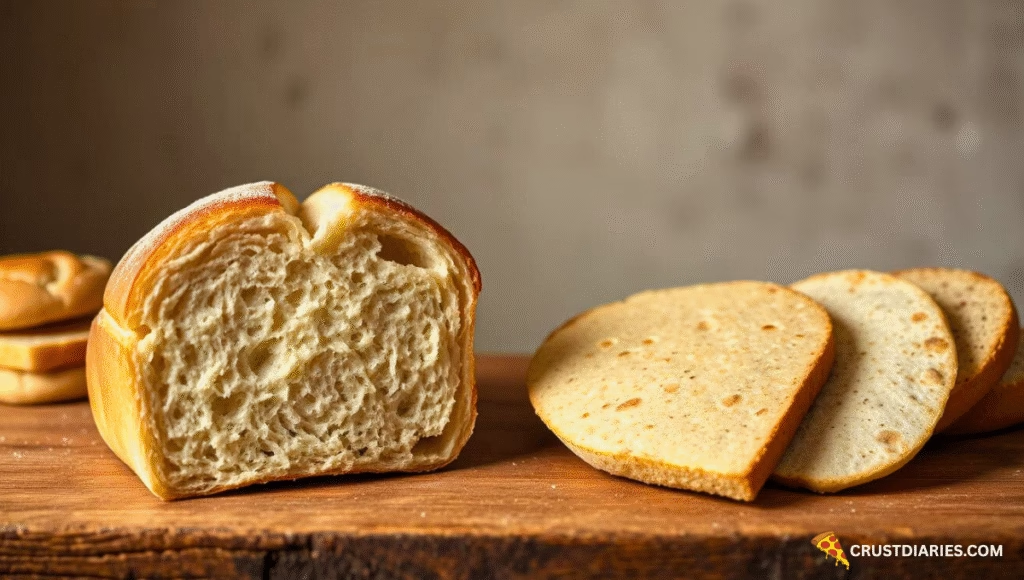
Let’s look at the key differences between the two, side by side:
| Feature | Leavened Bread | Unleavened Bread |
|---|---|---|
| Leavening agent | Yes — yeast, sourdough, or chemicals | None |
| Texture | Light, soft, airy | Dense, flat, chewy |
| Taste | Rich, aromatic, sometimes slightly tangy | Plain or neutral |
| Prep time | Long [needs rising time] | Short |
| Common examples | Sandwich bread, baguette, sourdough, naan | Matzo, tortillas, roti, pita [sometimes unleavened] |
The presence or absence of air bubbles is the main difference
If a bread feels spongy or has little holes inside – it’s leavened if it’s flat and tight – it’s not
4. How Is Leavened Bread Made?
Making leavened bread isn’t just about mixing ingredients – it’s about timing, temperature, and transformation
Here a simple outline of the process:
Step 1: Mixing the Dough
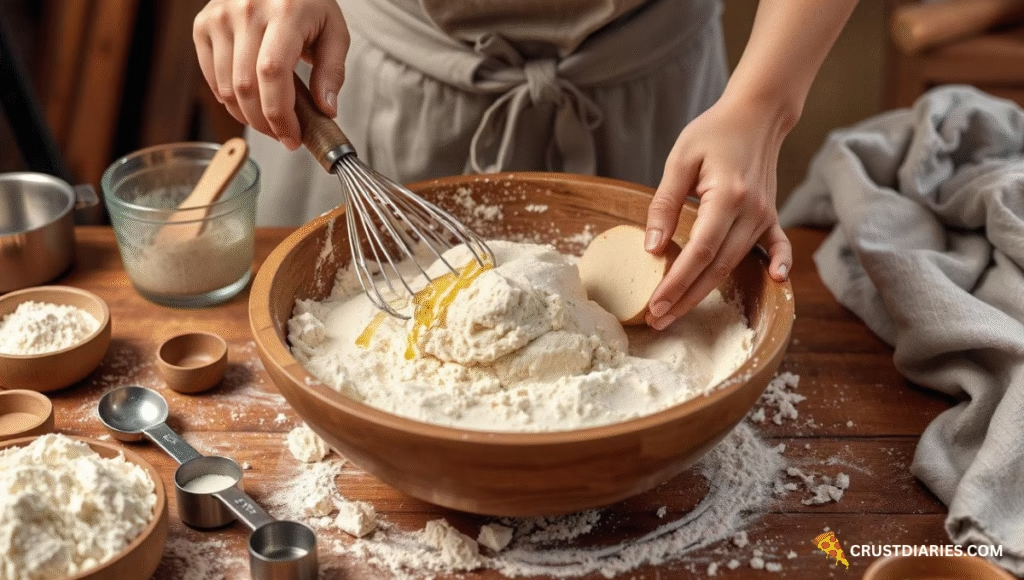
- Flour water salt and sometimes sugar or oil are combined. the forms the base of your dough
Step 2: Adding the Leavening Agent
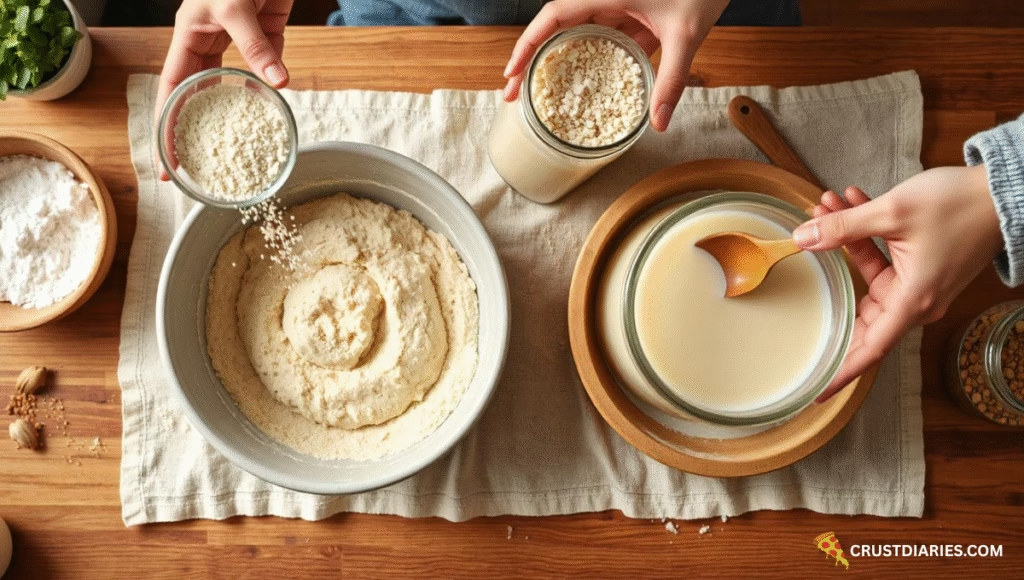
Here where yeast or a sourdough starter comes in
- Commercial yeast: works fast – perfect for quick breads like sandwich loaves
- Sourdough starter: works slowly – but adds deep flavor and a natural tang
Step 3: The First Rise (Fermentation)
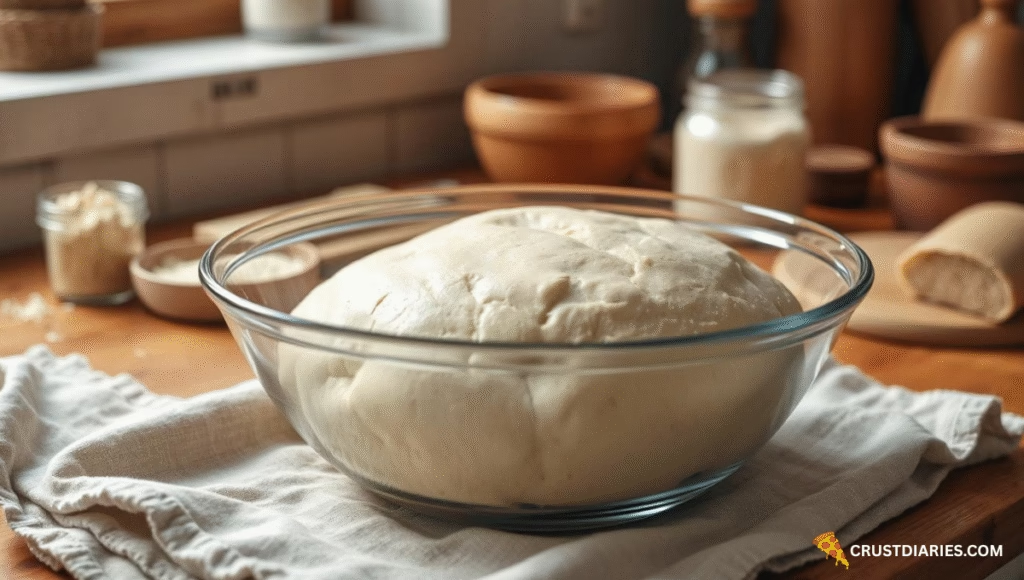
Once the dough is mixed it is left to rest for its first rise. During this stage yeast becomes active and begins feeding on the natural sugars present in the flour. As the yeast works it releases carbon dioxide gas. This gas is captured by the dough’s gluten network causing the dough to slowly expand and become lighter
The fermentation time can vary widely ranging from about one hour to several hours. In some methods – especially sourdough – this process may continue overnight. Longer fermentation allows enzymes and yeast to develop deeper more complex flavors improves texture and often makes the bread easier to digest
This stage is essential as it lays the foundation for the bread’s structure taste and overall quality.
Shaping and the Second Rise
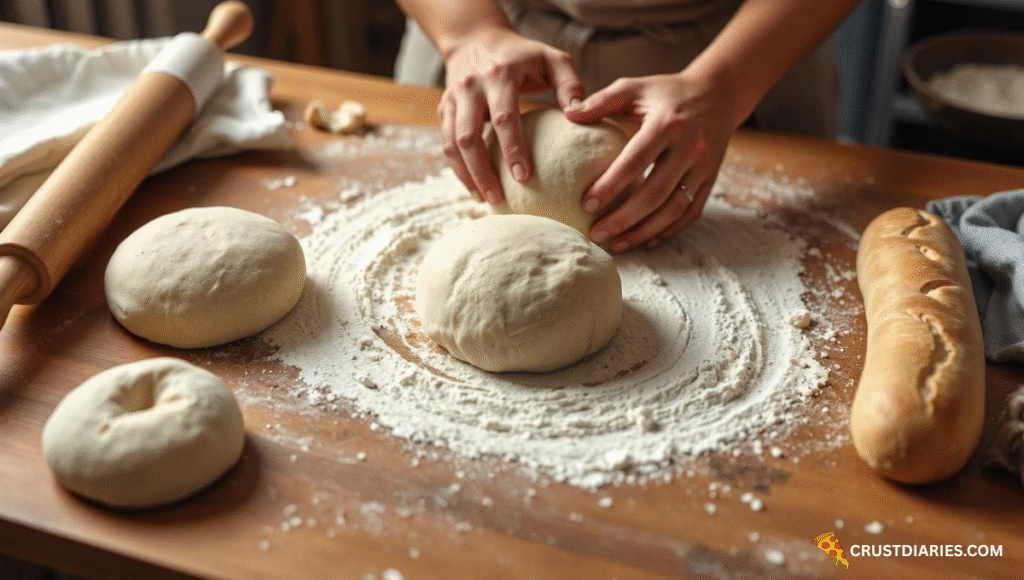
- After the dough has risen once, it’s gently pressed down and shaped – into a round loaf, a baguetter , rolls or whatever form you like. Then it’s allowed to rise again [ called proofing ] before baking
Baking

- Finally, the dough goes into the oven heat causes tha gas bubbles to expand rapidly, and the yeast’s last breath gives the bread its final life – a phenomenon bakers call oven spring
Cooling
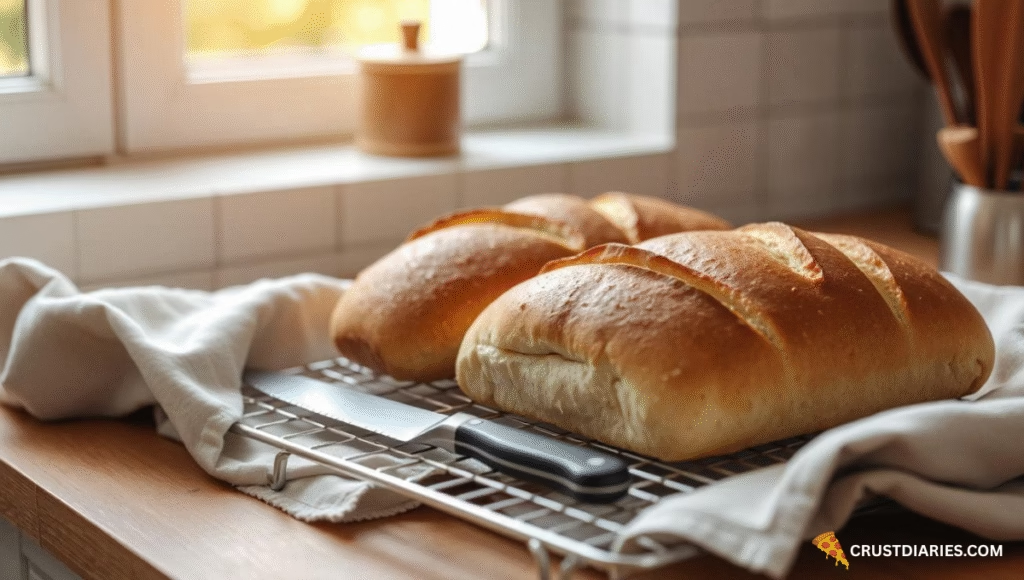
- Fresh from the oven, the bread smells amazing – but resist cutting it immediately it needs time to cool so the internal structure sets properly a good baker waits at least 30 minutes before slicing
5. Types of Leavened Bread Around the World
Leavened bread isn’t limited to one culture – it’s everywhere in different forms and flavors
Here are a few examples from around the globe:
- Sourdough [ USA/Europe ] – Naturally fermented bread with a tangy taste
- Naan [ India ] – soft, chewy bread made with yeast or yougurt: often baked in a tandoor
- Pita [ Middle East ] – Flatbread that puffs up in the oven to create a pocket
- Brioche [ France ] – Rich, buttery bread made with eggs and yeast
- Ciabatta [ Italy ] – Light, airy loaf with large holes inside – perfect for sandwiches
- Bazlama [ Turkey ] – Thick soft leavened flatbread cooked on a griddle
- Taftan [ Iran ] – Mildly sweet saffron – flavored bread made with the yeast and milk
- Matnakash [ Armenia ] – A golden hand shaped leavened bread with a crisp crust
Every region adapted leavened bread to its own ingredients and traditions – proving how universal and creative this food really is
6. Why Is Leavened Bread So Special?
There a rason why humans have cherished bread for thousands for years – and most of it comes down to what leavening does
1. Texture and Taste
- Leavening makes bread light and tender. the air pockets give it that perfect chew , while fermentation adds depth of flavor – from mild sweetness to gentle sourness
2. Digestibility
- Fermantation breaks down some of the tougher compounds in flour, making it easier to digest in sourdough bread, for instance long fermantation even helps neutralize some gluten and phytic acid
3. Aroma
- That irresistible smell when bread is baking? that’s fermentation and caramelization working together. the combination of yeast acticity and heat creates hundreds of aroma comounds
4. Cultural Significance
- Bread has always symbolized sharing, nourishment and community. breaking bread together means more than eating – it means connection in almost very culture leavened bread plays a central role in meals rituls and celebrations
7. Common Challenges When Baking Leavened Bread
Making perfect leavened bread can be tricky at first here are a few common issues – and how to fix them:
- Bread didn’t rise: Your yeast might be old or the water too hot use warm not boiling water.
- Bread too dense: Too much flour or insufficient rising time could be the culprit
- Over-proofed dough: If it rises too long it can collapse always bake before it over expands
- Crust too hard: Reduce baking time slightly or brush the top with butter after baking
Also Bread- making is part science, part patience – and a whole lot of practice . every batch traches you something new
8. Why Leavened Bread Is Popular Again
Over the past decade, the world has rediscovered the charm of homemade and naturally leavened breads – especially dourdough
There are a few reasons for this:
- Health awareness: people want to more natural less processed food soudough natural fermantation fits perfectly
- Flavor: Artisan loaves offer complex, real taste – not the bland uniformity of factory bread
- Mindful living: Baking bread from scratch is therapeutic : it slows you down and connects you with tradition
- Social media and community: Bakers share their loaves online, inspiring others to start baking at home
So yes – bread is having a moment again , and it’s the leavened kind that’s leading the revival
9. The Science Behind Leavening
At the heart of all this is simply boilogy and chemistry
When yeast or bacteria eat sugars in the dough, they release carbon dioxide [ CO₂ ]. That gas gets trapped by the gluten network – and those little pockets of air expand as the dough warms up
Simultaneously, the yeast produces alcohol and acids that change the dough’s flavor. when you bake it heat kills the yeast evaporated the alohol, and sets the dough structure – leaving a perfectly risen loaf
It’s alive then it’s cooked and finally it becomes art
10. Final Thoughts
Overall leavened bread isn’t just food. it’s a story – of human discovery patience and creativity from ancient Egypt to your modern oven, it connects us across time and cultures
Next time you tear into a slice of warm bread, remember what’s behind it:
- The invisible life of yeast
- The hands that kneaded it
- The slow rise and golden crust
- The centuries of human tradition in every crumb
Leavened bread is more than flour and water – it’s a symbol of transformation
Whether you buy it frsh from a bakery or bake your own at home, you’re continuing a 6000 year old tradition of letting nature and nurture work together
And that, truly is the magic of leavened bread